
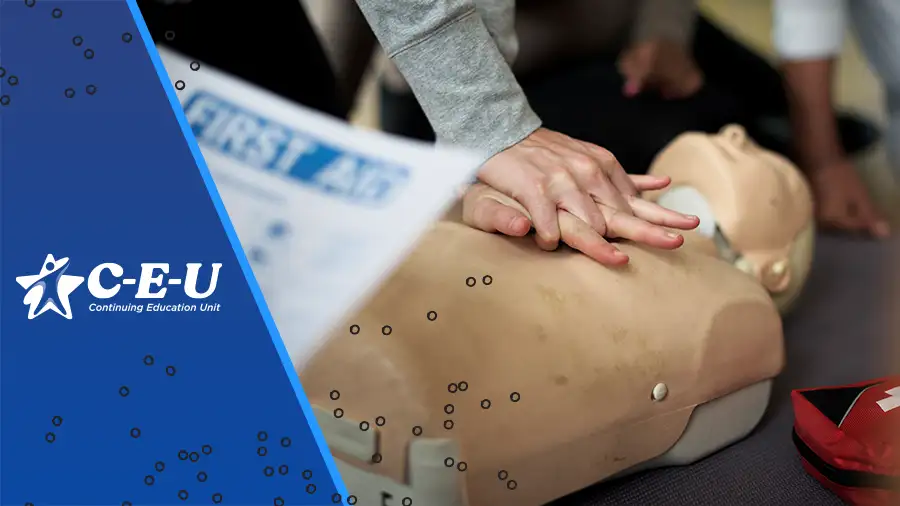
This course provides a refresher on CPR fundamentals, including recognition of cardiac arrest, chest compressions, rescue breaths, AED use, choking response, and emergency response strategies. It reinforces caregiver readiness and confidence in recognizing and responding to life-threatening situations.
Florida Certified Nursing Assistants are required to complete 24 hours of in-service training during each biennial renewal period. CPR skills are identified by the Florida Board of Nursing as one of the subject areas to be included within those required in-service hours. Although designed for Florida CNAs, the CPR and emergency response principles reviewed in this course are applicable to caregivers and healthcare professionals nationally.
THIS COURSE IS AN ONLINE CPR SKILLS REFRESHER AND IS NOT A SUBSTITUTE FOR REQUIRED HANDS-ON CPR TRAINING, SKILLS DEMONSTRATION, OR CPR CERTIFICATION.
Developed by: Scott Strachan RN, BSN
Target Audience
RN, LPN, CNA, HHA, and independent caregivers providing in-home and facility-based care
Teaching Method
Self-directed learning completed independently, with scenario-based reflection.
Learner Objectives
Recognize signs of cardiac and respiratory arrest
Demonstrate understanding of CPR components including compressions, breaths, and AED use
Apply age-specific CPR considerations for adults, children, and infants
Identify proper emergency response steps and team coordination strategies
Understand limitations of CPR and importance of ongoing certification
Overview
This course provides a comprehensive review of CPR principles and emergency response techniques for caregivers. It focuses on early recognition of cardiac arrest, high-quality chest compressions, rescue breathing, and the use of automated external defibrillators (AEDs).
Topics include adult, child, and infant CPR techniques, team-based response, emergency preparedness, and post-event considerations. Real-world scenarios are integrated throughout to support practical application in home and community care settings.
This refresher course supports CNA competency development and may be used as part of the required biennial in-service training outlined in Section 464.203, Florida Statutes. It does not replace live, hands-on CPR certification. All caregivers must maintain active CPR credentials through approved providers such as the American Heart Association, the American Red Cross, or the American Health & Safety Institute.
By reinforcing key concepts and response strategies, this course helps caregivers maintain readiness and confidence when responding to life-threatening emergencies.
Disclosure
The planner(s) and author(s) of this educational activity have disclosed that there are no relevant financial relationships with any commercial interests related to the content of this course. This course is developed for educational purposes and does not receive commercial support.
Disclaimer
The information provided in this course is for educational purposes only and should not be construed as legal, financial, or professional advice. While every effort has been made to ensure accuracy, the content is not guaranteed to be free from errors or omissions. Participants are encouraged to consult with a qualified professional for specific advice related to their circumstances. The creators and presenters of this course disclaim any liability for decisions made based on the information provided.
We will send you a one-time access code.